

Common Kitchen Paint Problems And Their Fix in Branford, CT

22 November 2024
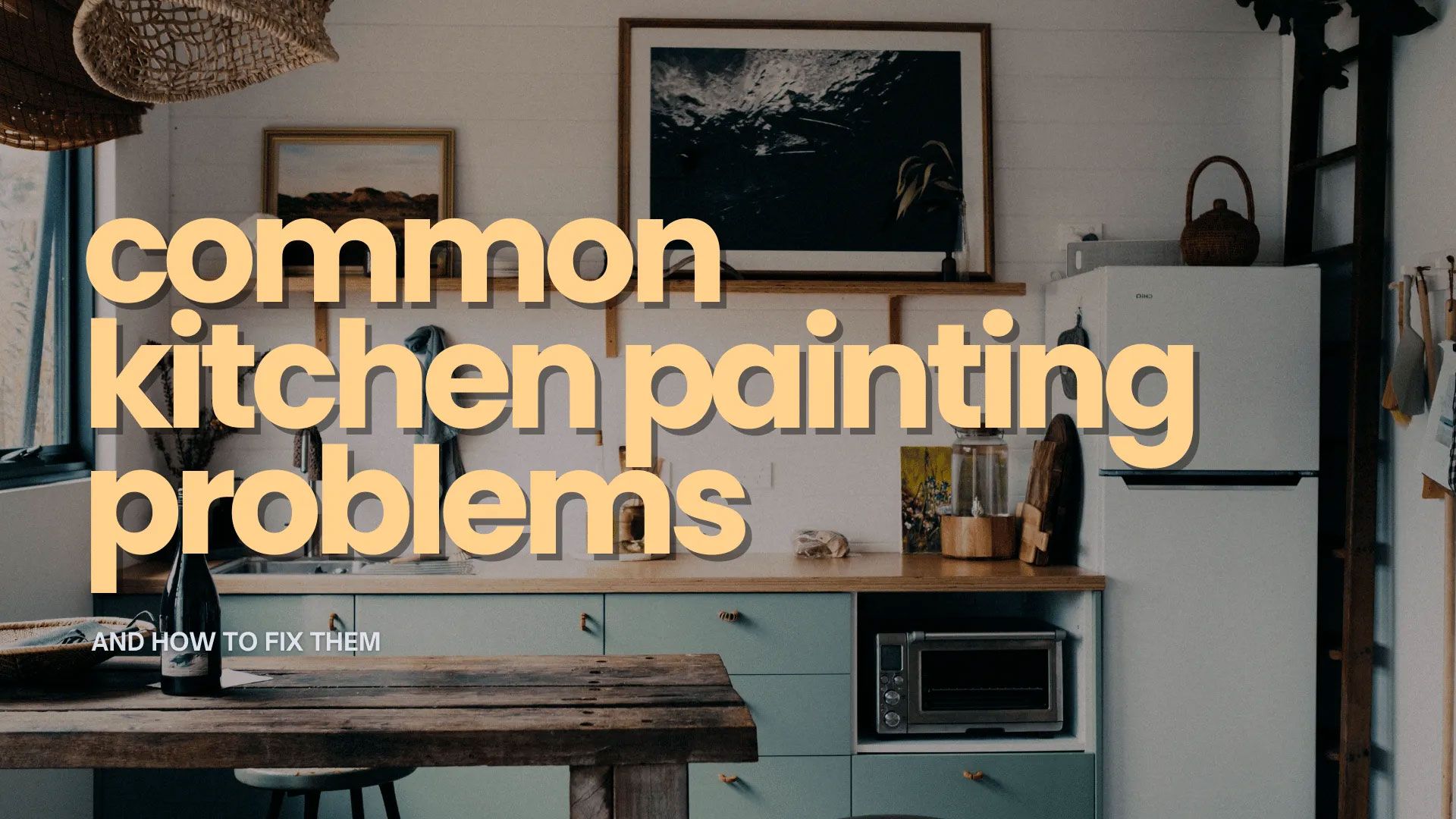
Kitchen interior with text:

Your kitchen space is often the busiest and most active rooms in your home – exposed to the constant ‘bouts of wear and tear that is accompanied by the daily activities you do in the space.


Thus, paint problems in kitchen spaces are quite common.


From peeling to stains, kitchen walls and cabinets can experience wear and tear faster than other areas of the home.


So, if you are currently burdened by this dilemma, here's an enlightening fix to that!


Check out this list of Common Kitchen Paint Problems And Their Fix.

3. Paint Bubbling: Trapped Moisture or Poor Adhesion

Kitchen spaces are often in proximity to water and moisture, which also affects the overall durability of your kitchen’s coat of paint in the long run.


When moisture gets trapped beneath the paint layer or if you’re painting on a damp surface, bubbling paint occurs.


This is a common problem in interior spaces with high humidity, proximity to sources of heat, or an overall lack of primer application prior to painting.


How to Fix It:

  • Pop and Scrape Away the Bubbles: Use a scraper or knife to remove the bubbles and loose paint.
  • Check for Moisture Issues: Inspect nearby pipes, faucets, or windows for leaks. Improve ventilation in your kitchen to reduce trapped moisture.
  • Sand and Re-prime the Area: Sand the surface to remove uneven spots, and apply a primer suitable for high-moisture environments.
  • Use the Right Paint for Kitchen Surfaces: Choose moisture-resistant paint, such as semi-gloss or eggshell, for areas prone to bubbling.

4. Cracking or Crazing: Paint Layers Forming Fine Cracks

Cracking, or “crazing,” occurs when the paint dries unevenly, leading to a network of fine cracks.


This problem is often caused by applying paint too thickly or painting over an improperly prepared surface.

How to Fix It:

  1. Remove the Cracked Paint: Use a scraper or sandpaper to remove the damaged area, ensuring a smooth surface.
  2. Prime the Area Properly: Applying a primer ensures better adhesion and helps paint dry evenly.
  3. Use Thin, Even Coats of Paint: Avoid applying paint too thickly. It’s better to use multiple thin layers rather than one heavy coat.
  4. Choose High-Quality Paint: Using good-quality kitchen paint with added flexibility reduces the risk of cracking over time.

1. Peeling Paint: Caused by Moisture and Heat

Peeling paint is a frequent issue in kitchens, often triggered by moisture buildup from cooking or steam from appliances.


High humidity can cause paint to lose adhesion, particularly around stoves, sinks, or windows.


How to Fix It:

  1. Identify and Remove the Source of Moisture: Check for leaks around windows, sinks, and plumbing. Use exhaust fans to improve ventilation while cooking or boiling water.
  2. Scrape and Sand the Affected Area: Remove the peeling paint with a putty knife or scraper. Sand the edges to smooth out the surface.
  3. Apply a Moisture-Resistant Primer: Choose a primer designed for high-humidity areas to help the new paint adhere better.
  4. Repaint with Semi-Gloss or Satin Finish: These finishes are more resistant to moisture and easier to clean than matte paint.


By improving ventilation and using appropriate materials, you can prevent further peeling in the space and preserve your kitchen’s appearance.

2. Stains on the Walls: Grease, Food, and Water Marks

Because of the functionality of the space, your kitchen walls are constantly exposed to splatters from cooking oils, sauces, and water.

Over time, these stains can seep into the paint, leaving unsightly, stubborn marks that may prove to be a challenge to scrub off and clean.


How to Fix It:

  1. Clean the Stains Thoroughly: Use a mix of water and mild detergent or vinegar to wipe away stains. For tougher grease, try a degreaser or baking soda paste.
  2. Apply a Stain-Blocking Primer: If stains have penetrated the paint, prime the area with a stain-blocking primer to prevent bleed-through.
  3. Repaint with Washable Paint: Opt for high-quality washable paints, such as those with a satin or semi-gloss finish. These paints allow for easier cleaning without damaging the surface.


To reduce future stains, consider installing a backsplash behind stoves and sinks for added protection.

5. Fading Paint: Sunlight and Frequent Cleaning

Lastly, kitchen walls and cabinets are subject to frequent wiping, which can wear down the paint over time.


Additionally, constant exposure to sunlight from nearby windows can cause colors to fade, leaving uneven patches on the walls or cabinets.


How to Fix It:

  • Choose UV-Resistant Paint: If your kitchen gets direct sunlight, use paint with built-in UV protection to prevent fading.
  • Limit Harsh Cleaning Products: Use gentle cleaners instead of abrasive ones to avoid damaging the paint finish.
  • Repaint with Durable, Scrubbable Paints: Look for kitchen-specific paints that can withstand frequent washing without fading or dulling.
  • Install Window Treatments: Curtains or blinds can reduce direct sunlight exposure and prevent fading on walls and cabinets.
At New Haven Painters, we offer affordable, reliable, and durable painting services in New Haven, Branford, Milford, Orange, North Haven, West Haven, East Haven, and the surrounding areas for CT. 
Book a FREE estimate below to get started or call us at (203) 606-2346 to talk about your project.
Two painters at work indoors, one in a blue shirt and one in a teal shirt, with NHV Painters logo overlay.
by NHV Painters 8 July 2026
NHV Painters holds a 4.9-star rating across 521 reviews. See why Connecticut homeowners praise our interior, exterior, and cabinet painting work.

NHV Painters logo on orange banner beside a smiling man with crossed arms against a blue siding wall
by NHV Painters 26 June 2026
Glenn Williamson built NHV Painters from a Craigslist post and a paint cart. This is his story — told the way he tells it.

Diagonal weathered brown wooden planks with visible knots and grain patterns
by NHV Painters 16 June 2026
Learn what your annual deck touch-up includes and how NHV Painters' 7-year free warranty keeps Milford & New Haven County decks looking new year after year.

Glossy gray warehouse floor with yellow center lines and NHV Painters logo in the corner
by NHV Painters 16 June 2026
Learn the average epoxy garage floor cost in Milford and New Haven County, CT. Compare pricing factors, coating options, and installation costs to plan your project with confidence.

NHV Painters logo on an orange brushstroke over a rainy outdoor scene with trees
by NHV Painters 15 June 2026
Storm damage in Connecticut? NHV Painters handles drywall repair, interior and exterior repainting, and insurance-claim painting work with a 7-year touch-up warranty.
NHV Painters logo on orange brushstroke over a close-up of painted wooden deck boards
by NHV Painters 11 June 2026
What does deck refinishing cost in Milford & New Haven, CT? NHV Painters breaks down stain vs. paint pricing, peeling deck repair, and what affects your quote.

Deck with wooden boards, white railing, grill, and orange NHV Painters banner on a tree-lined patio
by NHV Painters 7 June 2026
How often should you re-stain your home's exterior in CT? NHV Painters explains staining timelines for siding, shingles & wood, plus signs it's time and what affects it.

by NHV Painters 6 June 2026
Wondering what kitchen cabinet painting costs in Connecticut? NHV Painters breaks down price ranges, what affects the cost, and why refinishing beats replacement.
NHV Painters logo over a sunset silhouette of a house in a hand
by NHV Painters 3 June 2026
Closing on a home in CT? Here's why painting before you move in saves time and money—plus a timeline from NHV Painters to get it done before the furniture arrives.
NHV Painters logo over a bright modern kitchen and living room interior
by NHV Painters 3 June 2026
Wondering what it costs to paint a condo in Connecticut? NHV Painters breaks down the factors that affect price, what's included, and how to get an exact quote.
Show More